

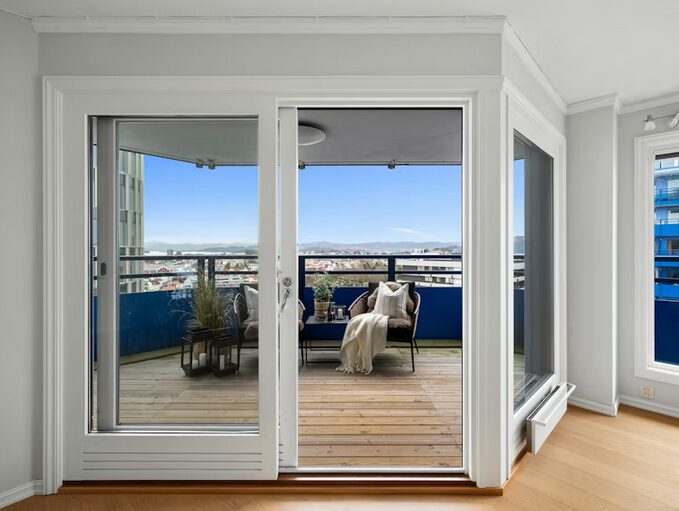
How Climate Affects Window Material Choice
Selecting the right window material is a critical decision that directly affects energy efficiency, durability, and long-term comfort. Climate plays a major role in determining which materials will perform best over time. Windows are constantly exposed to temperature fluctuations, moisture, sunlight, and wind, all of which influence their structural integrity and insulation capabilities. Homeowners who consider local weather conditions when choosing window materials can avoid premature wear, reduce maintenance costs, and improve indoor comfort. Understanding how climate impacts material performance ensures that windows remain functional and efficient for many years.
Hot and Sunny Climates
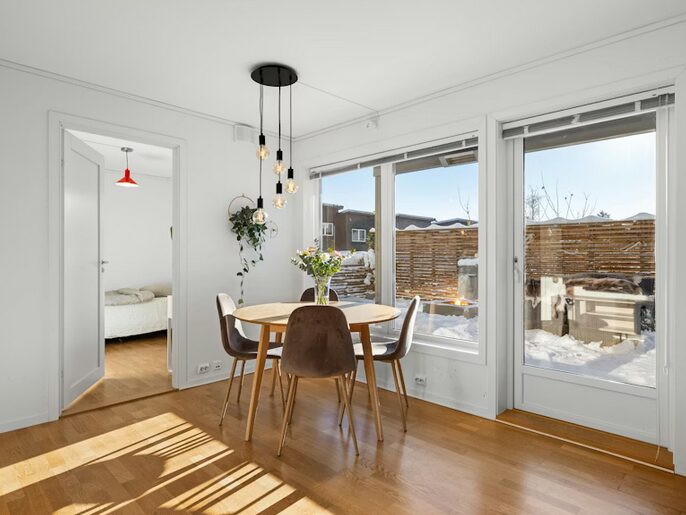
In regions with intense heat and prolonged sun exposure, window materials must resist warping, fading, and heat transfer. Vinyl and fiberglass windows are often preferred in hot climates because they offer strong thermal insulation and resist expansion from high temperatures. Materials that absorb excessive heat can raise indoor temperatures and increase cooling costs. Properly selected frames help maintain consistent indoor comfort while reducing strain on air conditioning systems. Choosing materials with strong ultraviolet resistance also prevents discoloration and structural weakening, ensuring that windows retain both their appearance and performance despite constant exposure to sunlight.
Cold and Freezing Conditions
Homes located in colder climates require window materials that can withstand freezing temperatures and prevent heat loss. Wood and fiberglass frames perform well in such environments due to their natural insulating properties. Materials that contract significantly in low temperatures may develop gaps, allowing drafts and moisture infiltration. Effective insulation is essential to reduce energy consumption and maintain a stable indoor temperature during the winter months. Double- or triple-glazing, combined with well-insulated frames, further enhances efficiency. Selecting materials designed for thermal stability ensures that windows remain airtight and durable even during extended periods of freezing weather.
Humid and Coastal Environments
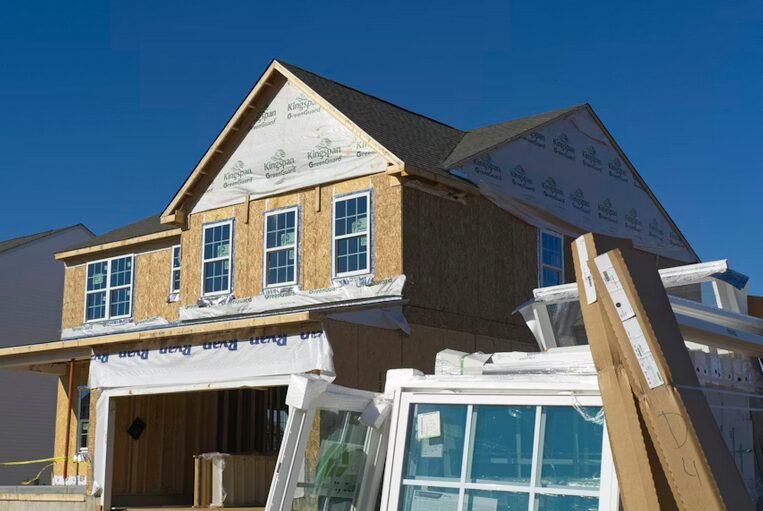
High humidity and coastal conditions introduce challenges such as moisture buildup, salt exposure, and corrosion. In these environments, materials must resist rot, rust, and swelling. Aluminum frames treated with protective coatings and vinyl options are commonly used because they resist moisture damage better than untreated wood. Excess humidity can cause certain materials to expand, leading to operational issues or reduced sealing performance. Coastal homes, especially, benefit from corrosion-resistant finishes that protect against salty air. By selecting moisture-resistant materials, homeowners can extend window lifespan and reduce maintenance requirements in damp climates.
Climate significantly influences the performance and longevity of window materials. Hot regions demand heat-resistant, ultraviolet-stable materials, while cold regions require materials that provide superior insulation and thermal stability. Humid coastal environments require moisture-resistant, corrosion-resistant frames. By carefully evaluating local weather conditions before making a purchase, homeowners can improve energy efficiency, reduce maintenance needs, and enhance overall comfort. Choosing climate-compatible window materials is a practical investment that supports durability, performance, and long-term value for any home.…