
Month: November 2023

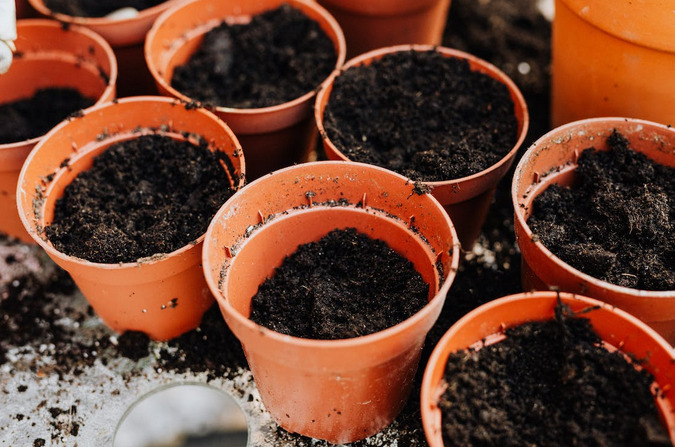
pots

Organic Soil Preparation: Science-Backed Techniques for a Thriving Organic GardenOrganic Soil Preparation: Science-Backed Techniques for a Thriving Organic Garden

If you’re passionate about sustainable gardening and want to maximize your harvests while minimizing environmental impact, then this blog post is for you. We’ve teamed up with professionals from , an authority in all things green and growing, to bring you expert tips on organic soil preparation. From compost incorporation to no-till gardening, these tried-and-true methods will help ensure your plants thrive and yield bountiful crops. Let’s get the guide started.

Compost Incorporation
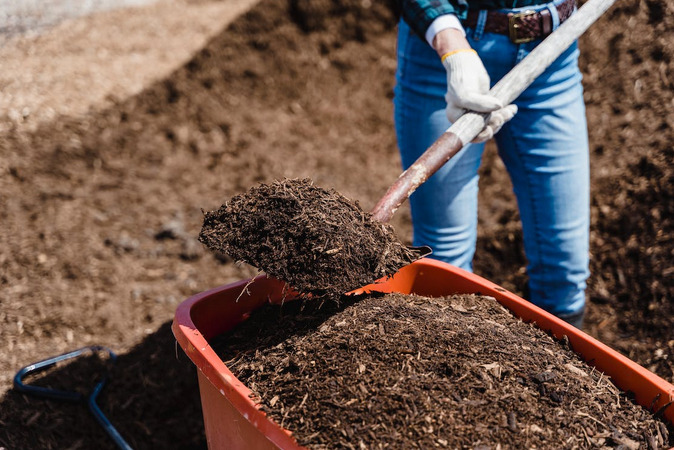
Compost Incorporation

Compost incorporation is a fundamental practice for organic gardeners, providing a nutrient-rich foundation for healthy plant growth. By incorporating compost into your soil, you’re not only enriching it with essential minerals and beneficial microorganisms but also improving its structure and water-holding capacity. The first step is creating your own compost pile using kitchen scraps, yard waste, and other organic materials. When compost decomposes, it transforms into a dark brown, crumbly substance that’s packed with nutrients.

You should ensure that your compost is well-aged and fully decomposed before incorporating it into your garden beds or containers. Use a fork or tiller to spread compost across the topsoil. Also, consider applying additional amendments based on the specific needs of your plants. Compost tea is another fantastic option for providing immediate nutrition to plants while minimizing runoff.

Crop Rotation

Crop rotation is a time-tested technique that can greatly benefit your organic garden. By rotating the types of crops you grow in different areas of your garden from season to season, you can help prevent soil nutrient depletion and lower the risk of pests and diseases. One of the main reasons why crop rotation works so well is because different plants have varying nutrient needs.

For example, legumes like peas and beans are widely known for their unique ability to fix nitrogen in the soil, which can be quite handy and valuable for subsequent crops that require higher levels of nitrogen. On the other hand, heavy feeders like tomatoes or corn deplete specific nutrients from the soil, so it’s important not to plant them in the same spot year after year.

Soil Testing and Amendments

Soil Testing and Amendments

One crucial step in achieving a thriving organic garden is to understand the composition of your soil. Soil testing allows you to assess its pH level, nutrient content, and overall health. With this, you know which amendments can improve your soil’s fertility. To start, take a sample of your soil from various areas of your garden using a trowel or spade. Mix these samples together in a clean container before sending them off for testing. Many agricultural extension offices or private labs offer affordable soil testing services.

Once you receive the results, it’s time to identify any deficiencies or imbalances in nutrients like nitrogen, phosphorus, and potassium. Based on these findings, select appropriate organic amendments such as composted manure, bone meal, or kelp meal. Amendments should be made to the soil prior to planting season or during fallow periods so that they have ample time to break down and enrich the earth. Remember that each plant …


home buying

What You Need to Know As a First-Time HomeownerWhat You Need to Know As a First-Time Homeowner

Becoming a first-time homeowner is an exciting milestone in anyone’s life. However, it also comes with a set of responsibilities and challenges. From understanding the financial aspects to maintaining your property, there are several key things you need to know as a first-time homeowner. In this article, we will explore important considerations to help you navigate the journey of homeownership successfully.

Financial Planning

Before jumping into homeownership, it’s crucial to assess your financial situation and plan accordingly. Evaluate your budget, including not just mortgage payments but also property taxes, insurance, maintenance costs, and utilities. Ensure you have a solid understanding of your credit score and explore various mortgage options to find the one that suits your needs best. Don’t forget to factor in closing costs and other expenses associated with purchasing a home.

Home Inspection and Insurance

To protect your investment, it’s essential to conduct a thorough home inspection before finalizing the purchase. This inspection can identify potential issues or repairs required, giving you leverage during negotiations. Additionally, obtaining homeowner’s insurance is vital to safeguard your property against unforeseen events, such as fire, theft, or natural disasters. Research different insurance providers, compare coverage options, and choose a policy that aligns with your needs.

Maintenance and Repairs

As a homeowner, you are responsible for maintaining and repairing your property. Regular maintenance tasks, like cleaning gutters, maintaining the outdoor space, servicing HVAC systems, and inspecting plumbing and electrical systems, can prevent major problems down the road. Familiarize yourself with the basics of home maintenance, or consider hiring professionals for specific tasks. Additionally, create an emergency fund to cover unexpected repairs, such as a leaky roof or a malfunctioning appliance.

Understanding the Neighborhood and Community

Your new home is part of a larger neighborhood and community. Take time to learn about the area, including amenities, schools, proximity to healthcare facilities, parks, and transportation options. Understanding the neighborhood’s character, crime rates, and property values can help you make informed decisions and feel more connected to your surroundings.home neighbor

Home Security

Protecting your new home and your family’s safety should be a priority. Invest in quality home security systems, such as alarm systems, surveillance cameras, and smart locks. These measures can deter burglars and provide peace of mind. Additionally, get to know your neighbors and consider joining or starting a neighborhood watch group to foster a sense of community security.

Energy Efficiency and Sustainability

Explore ways to make your home more energy-efficient by implementing sustainable practices. Invest in energy-efficient appliances, LED lighting, and programmable thermostats. Consider installing solar panels to reduce your carbon footprint and lower utility bills. Making eco-friendly choices not only benefits the environment but also saves you money in the long run.

Get Involved and Build Connections

Engaging with your community can enhance your homeowner experience. Attend neighborhood events, join local organizations, and introduce yourself to neighbors. Building connections will not only create a support network but also foster a sense of belonging and enjoyment in your new community.

Continuous Learning

Owning …